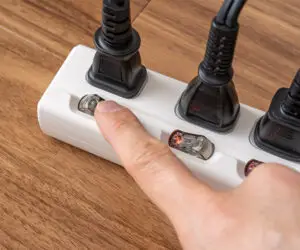
For example, coffeemakers, printers, computers, elevators, charging carts, and refrigerators, to name just a few. Given increasing usage of plug load devices in office buildings, the energy consumed by PPLs is only going to increase in the future, from 40% to 49% by the year 2040 according to the Office of Energy Efficiency & Renewable Energy (EERE).
According to the National Renewable Energy Laboratory (NREL), plug load management slashes commercial building energy consumption by 10%. In spite of the potential savings, plug load control and management initiatives have not yet been widely adopted in commercial buildings in the United States. More research, funding, and education are needed to make PPL reduction a more common energy-efficiency strategy.
The U.S. Department of Energy has spearheaded a variety of initiatives to help bring greater awareness to the importance of PPL reduction strategies in reducing overall energy consumption in commercial properties. NREL, for example, has created significant resources related to plug load management and PPL reduction strategies. They even offer a PPL workbook to help building owners and stakeholders estimate the energy-consumption patterns of devices and processes in their facilities.
As a major player in the plug-load management game, BERT also has a vested interest in disseminating helpful information on PPL-reduction techniques and related resources. This brief guide is intended to give readers an overview of current PPL reduction strategies and best practices, as well as provide resources for further education on the subject.
Research suggests that the best way to reduce PPL-related energy consumption in commercial buildings is to choose a PPL “champion.” This person, or team of people, liaises with building stakeholders to advocate for changes to the building’s energy-usage patterns and policies.
This internal advocate must take measures to integrate the PPL measures into the building’s institutional culture, giving them a chance to have a lasting impact on whole-building energy consumption.
Doing an assessment of the building’s current equipment and devices comes next. A walkthrough allows stakeholders to understand how energy is being used in the building on a granular level, device by device. This information helps stakeholders determine which changes need to be made and which control strategies need to be adopted.
Finally, creating a business case will help complete the establishment of the PPL reduction strategy.
When it comes to PPL reduction, there are both general strategies and device-specific ones. Here are some examples of the former:
This advice relates to specific plug load devices such as refrigerators, small kitchen appliances, vending machines, workstations and computers, printers, and copiers. It also applies to vertical transport processes like elevators and escalators.
Employee education is a critical part of ensuring that PPL control strategies work properly. Research shows that employees who don’t understand the plan put in place in their building probably won’t maintain that strategy or abide by its rules. Adopting measures to make sure employees are on board will go a long way towards ensuring the long-term success of the goal.
Some examples of strategies that might help increase employee buy-in and compliance:
There are four technologies currently available for controlling PPL energy consumption:
During the design phase of a new building, or during renovations, it’s important to keep PPL reduction strategies in mind. Things to consider: